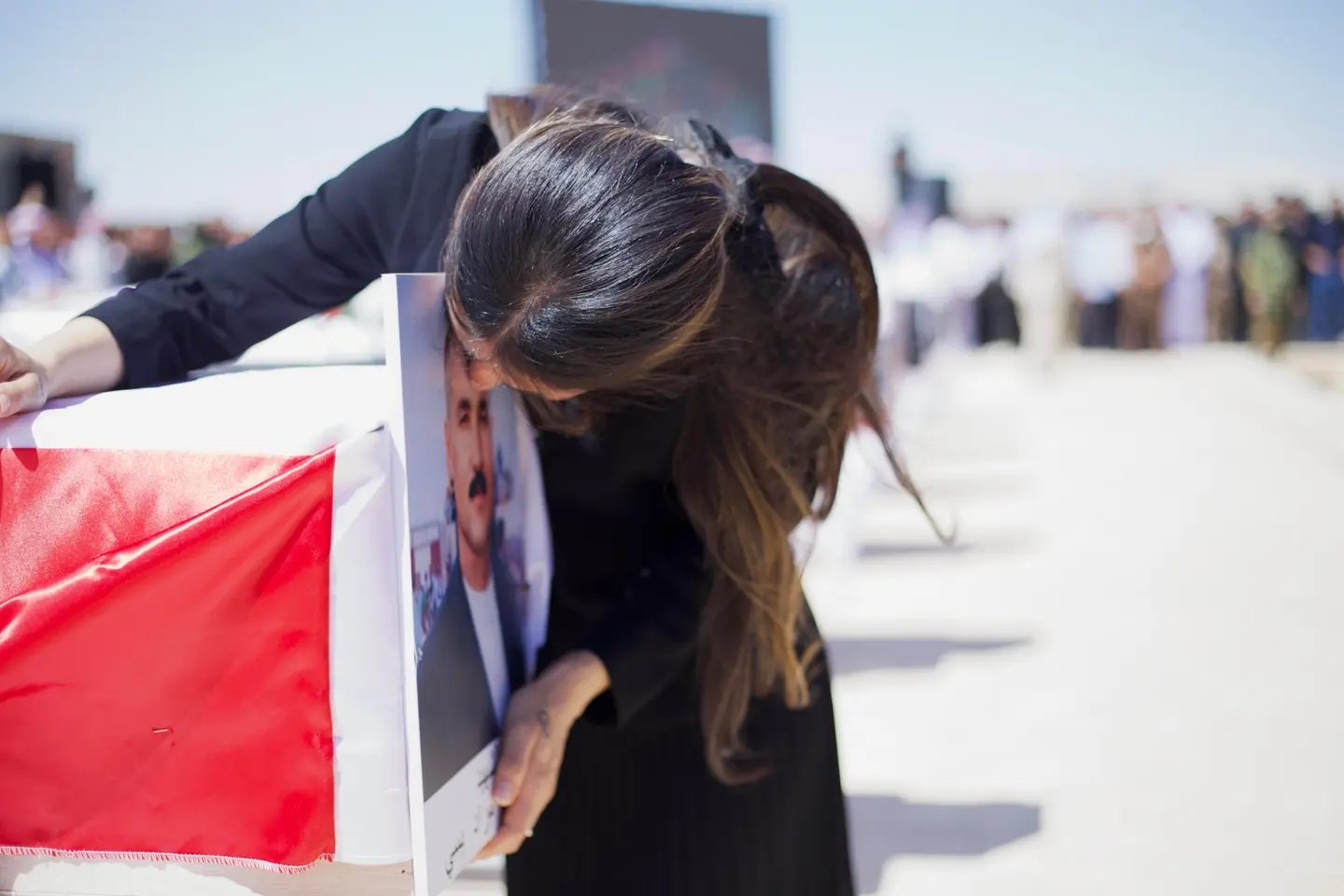
Elf Jahre nachdem der IS in Kocho einen Völkermord verübt hat, kehrt Nadia Murad in den Irak zurück, um ihre Brüder zu beerdigen.
Lies ihre bewegende Reflexion über diesen Moment bei TIME.
Weiterlesen

Elf Jahre nachdem der IS in Kocho einen Völkermord verübt hat, kehrt Nadia Murad in den Irak zurück, um ihre Brüder zu beerdigen.
Lies ihre bewegende Reflexion über diesen Moment bei TIME.
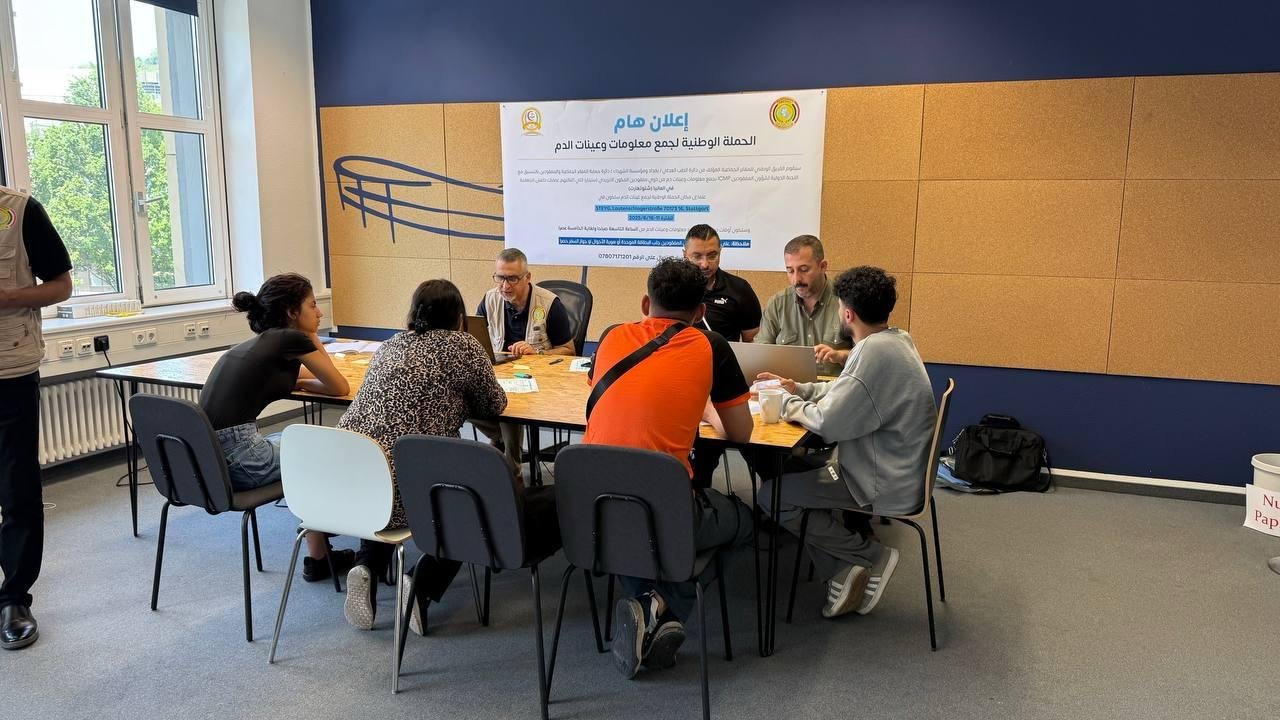
WeiterlesenVom 7. bis 16. Juni 2025 führte eine irakische Forensikdelegation, bestehend aus Expertinnen und Experten der Abteilung für Rechtsmedizin und der Direktion für Schutz und Angelegenheiten von Massengräbern, eine groß angelegte Kampagne zur Entnahme von DNA-Referenzproben in Deutschland durch. Die Initiative wurde in Zusammenarbeit mit Nadia’s Initiative und der International Commission on Missing Persons (ICMP) organisiert, um die laufende Identifizierung der Opfer des Völkermords an den Jesidinnen und Jesiden voranzutreiben. Die DNA-Idenfifizierungsmaßnahmen wunden unter anderem durch die Finanzierung der Deutschen Postcode Lotterie ermöglicht.
WeiterlesenAm 22. Februar 2025 wurden die sterblichen Überreste von 32 Opfern des Völkermords an den Jesiden von 2014 an ihre Familien übergeben. Dieser Tag markiert die schmerzhafte Rückkehr der Menschen, die ihr Leben verloren haben, nur weil sie Jesiden waren. Die Täter hatten das Ziel, die Identität der Jesiden auszulöschen, und dieser Moment steht für mehr als ein Jahrzehnt des Leidens für ihre Familien, von denen viele noch immer nicht wissen, was mit ihren Angehörigen geschehen ist.
WeiterlesenHeute begann ein Team der Iraqi Directorate of Mass Graves Affairs (Irakische Direktion für Massengrabangelegenheiten) mit der entscheidenden Arbeit der Exhumierung von Massengräbern der Opfer des Jesiden-Völkermords in der Stadt Sindschar. Dieser wichtige Schritt ist entscheidend für die Aufdeckung des Schicksals unschuldiger Menschen, die unter einigen der abscheulichsten Verbrechen gegen die Menschlichkeit der jüngeren Vergangenheit gelitten haben und gestorben sind.
Wir stehen in Solidarität mit den Familien, die verzweifelt nach Antworten suchen - Antworten, die ihnen Seelenfrieden bringen und die Würde ihrer Angehörigen wiederherstellen.
WeiterlesenNadia Murad und Sheryl Sandbergs TIME Op-Ed: Nach mehr als einem Jahrzehnt in Gefangenschaft wurde Fawzia Amin Sido aus dem Gazastreifen gerettet, in den Irak zurückgebracht und am 2. Oktober mit ihrer Familie wiedervereint. Fawzias Freiheit ist eine Erinnerung daran, dass Tausende von Frauen und Kindern in Gefangenschaft bleiben. Die internationale Gemeinschaft ist immer wieder daran gescheitert, sie nach Hause zu bringen und alle, die zu diesen Verbrechen gegen die Menschlichkeit beitragen, zur Verantwortung zu ziehen.
WeiterlesenToday, Germany joined more than 18 countries and international bodies in formally recognizing ISIS' actions against the Yazidi people as genocide. This recognition not only shows survivors that the world is aware of, and condemns, the violence they suffered, but also shines a spotlight on what still needs to be done to help the community recover and prevent future acts of violence.
WeiterlesenNadia’s Initiative is working as a bridge between survivors and the General Directorate of Survivors Affairs (GDSA) in Iraq to ensure survivor-centered implementation of the Yazidi Survivors Law.
WeiterlesenI commend the Luxembourg Parliament for joining more than seventeen legislative bodies and international organizations that have officially recognized the Yazidi Genocide. As a member of the United Nations Human Rights Council, Luxembourg is sending a strong message to terrorist groups that they will not be granted impunity for genocide or sexual violence.
WeiterlesenDuring the 77th session of the United Nations General Assembly, Nadia Murad spoke at a high-level meeting marking the 30th anniversary of the Declaration of Minority Rights.
WeiterlesenIt has been eight years since the Kocho massacre and the community still bears the trauma. Kocho community members deserve justice, support to rebuild, and memorialization initiatives to honor those who were lost and heal through collective remembrance.
WeiterlesenEight years ago, the peaceful Yazidi community in Sinjar was confronted with an unspeakable evil that would forever change their lives. By empowering women, supporting survivors, facilitating the return of displaced persons, and holding perpetrators accountable, we seek to end the ongoing genocide against the Yazidi community.
WeiterlesenNadia’s Initiative aims to amplify the voices of survivors, so they may share their memories, experiences, and hopes that have kept them moving forward despite all they have been through. Join us in amplifying survivors voices to honor August 3rd and the Yazidi Genocide.
WeiterlesenEight things wrong with the international response to genocide – and how to fix them.
WeiterlesenGenocide. Sexual Violence. Enslavement. Marginalization. Oppression. Injustice.
The Yazidi community has endured all of the above & more before & since ISIS’ invasion in Sinjar in 2014. International action is needed. We urge you not to forget #August3rd and the #YazidiGenocide.
WeiterlesenToday, in the presence of Yazidi community members, clergymen, and community leaders, a ceremony was held to exhume the remains of Yazidi genocide victims from Sinjar found in mass graves in Qani village, Sinjar, Iraq.
WeiterlesenRecently, Nadia Murad met with the President of the German Parliament, Ms. Bärbel Bas, in Berlin to urge the parliament to officially recognize the Yazidi Genocide and support efforts to stabilize security and service provision in the Sinjar region.
WeiterlesenPakiza, a mother of six from Borek village, is a strong example of how women's empowerment can improve the lives of women and their families in post-conflict settings.
WeiterlesenWe are jointly committed to ending sexual and gender-based violence (SGBV) in conflict, which continues to besiege women, children, and men from every corner of the globe. This grave violation of human rights imprints lasting trauma onto its victims, and not enough is done to prevent it when conflicts spark.
WeiterlesenFemale survivors of ISIS captivity and sexual violence from the Yazidi and other minority communities suffered great harm under ISIS. To heal, they need reparations and dedicated social welfare services that address the trauma they have experienced.
WeiterlesenAs part of its community-driven, survivor-centric programming, Nadia’s Initiative’s programs team conducts regular community outreach workshops every month in different areas of Sinjar.
Weiterlesen